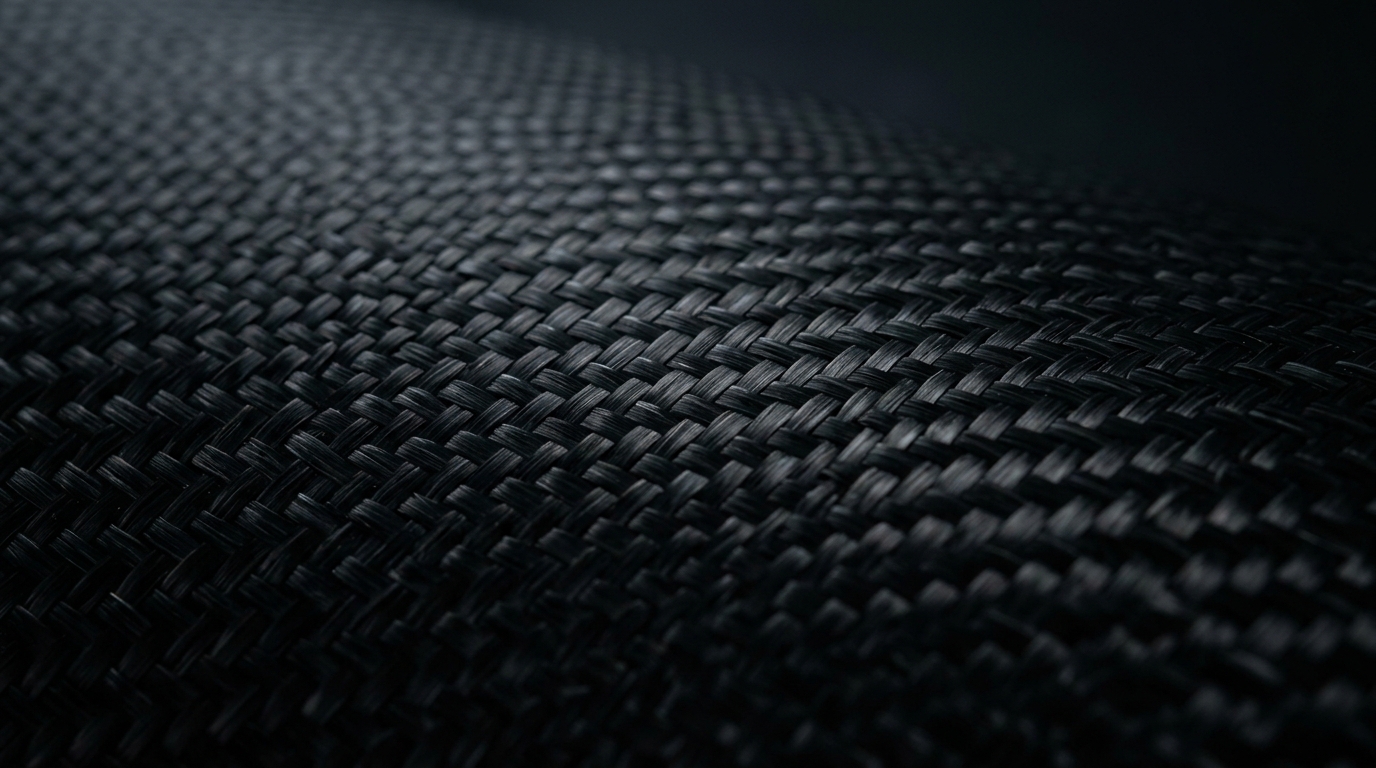
1. Structure development/optimising software
Developing algorithms to optimise part's internal fiber structure based on our tech process.
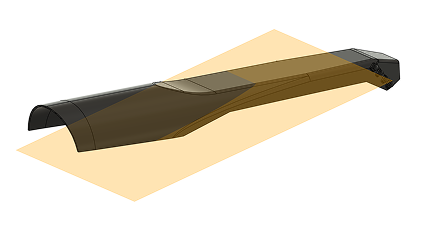
We have created multiaxial additive system for printing next generation parts in continuous composite materials:
Developing algorithms to optimise part's internal fiber structure based on our tech process.
Adaptive nonplanar slicing for our machines made to create structure-optimised parts with fiber density control.
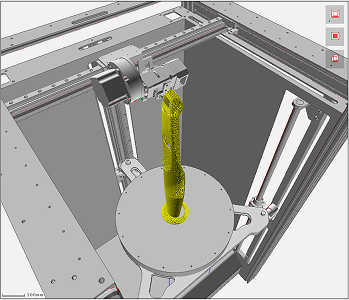
Multi-axis printers and robots equipped with our highly productive tooling to make your workflow agile and fast.
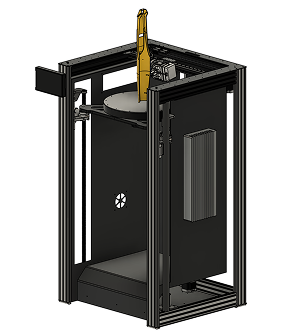
Filament and fibers line formed into a library with ready-made applications tested in our lab for best production results.
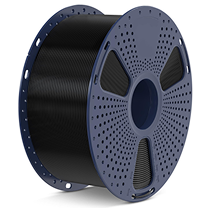
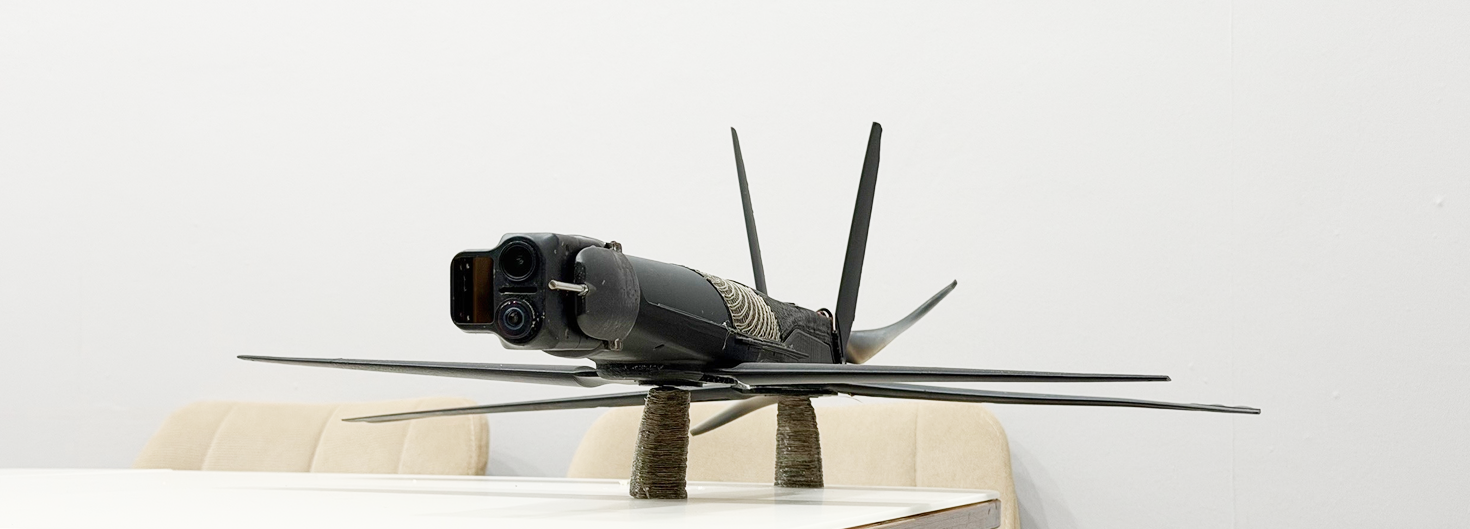
Tensile strength - 700+MPa in multiple directions
Stronger than Aluminum 2024
Only 1.5g/cm3 density
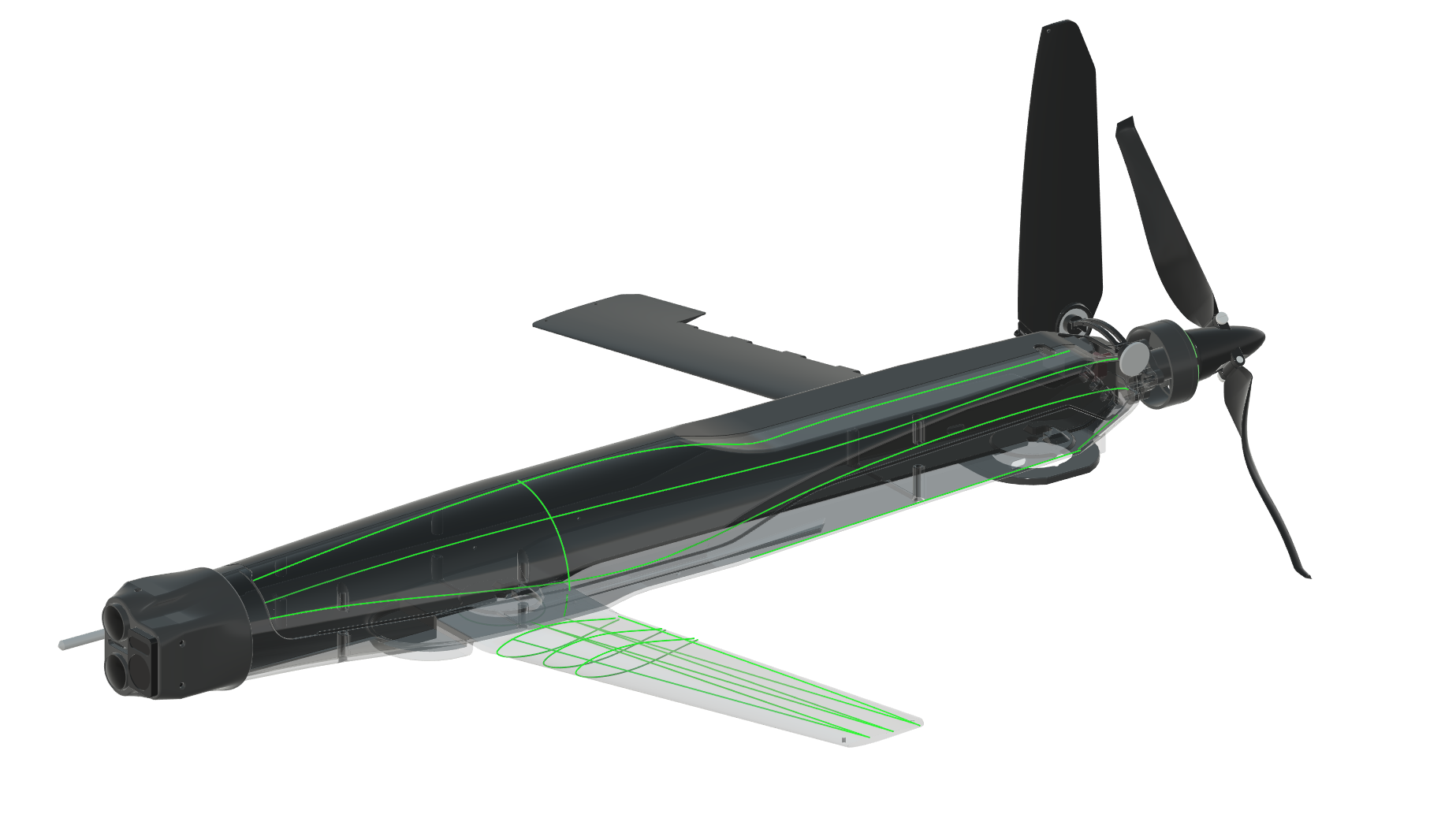
Classic printed layers are isotropic in vertical direction and fail under shear loads. We lay fibers along specified 3D load axes, providing custom-aligned directional strength that matches stress lines perfectly.
By pairing matrix/fiber coextrusion with a fully coordinated 5-axis machine, we eliminate layer-stepping weaknesses entirely, supporting complex nonplanar geometries in production.
Thermoplastic matrix composites combine high toughness with fast cycle times and recyclability. Our continuous fiber co-extrusion technology embeds continuous carbon fibers directly into high-performance polymers such as PEEK, PEKK, and nylon.
By embedding continuous boron, silicon carbide, or carbon fibers into a lightweight metal matrix such as aluminum or titanium, we achieve materials with exceptional stiffness-to-weight ratios and very low thermal expansion.
Designed for extreme thermal and mechanical environments. CMCs reinforce a ceramic matrix such as silicon carbide or alumina with continuous ceramic or carbon fibers, preventing catastrophic brittle failure in jet engines and space systems.
Connect directly with our materials research and production manufacturing specialists.
Open in Mail App